

Have you noticed a slow drain in your bathroom or just one room of your home? A slow drain in one location might seem minor, but it can signal bigger issues lurking in your plumbing. Understanding what a slow drain in bathroom or another single room really means can save Southern California homeowners time, stress, and money. In this guide, we’ll break down common causes of isolated drain problems and when to call your local experts at A-1 Performance Rooter and Plumbing.
Room-by-Room: Understanding Your One Slow Drain
Noticing one slow drain rather than issues throughout your property is a valuable clue. Here’s what a localized drain clog might mean, depending on the room:
Slow Drain in the Bathroom
The most frequent plumbing complaint in homes from Los Angeles to Long Beach is a slow bathroom drain. Typical reasons include:
- Hair Buildup: Over time, hair combines with soap and forms tough clogs in shower or tub drains.
- Soap Scum: Residue from shampoos and soaps can narrow pipes and slow water flow.
- Foreign Objects: Accidentally dropped jewelry, toothpaste caps, or cotton swabs can become stuck.
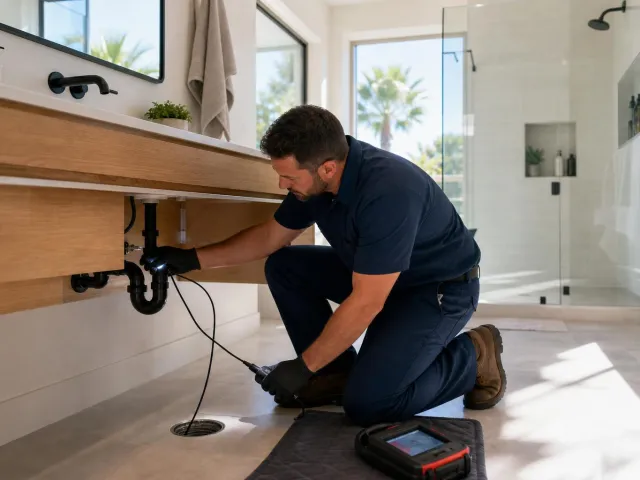
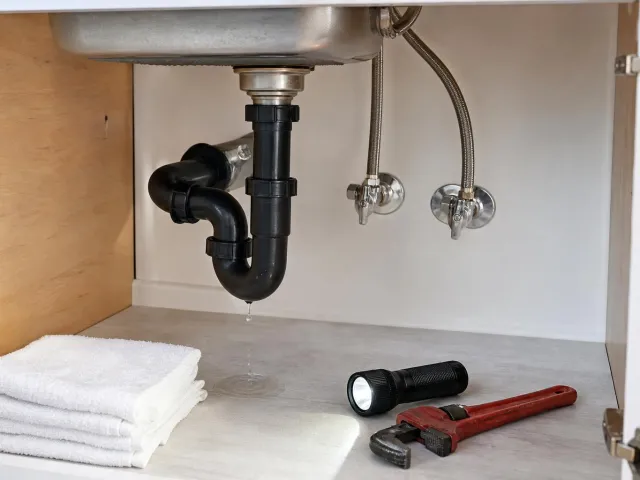
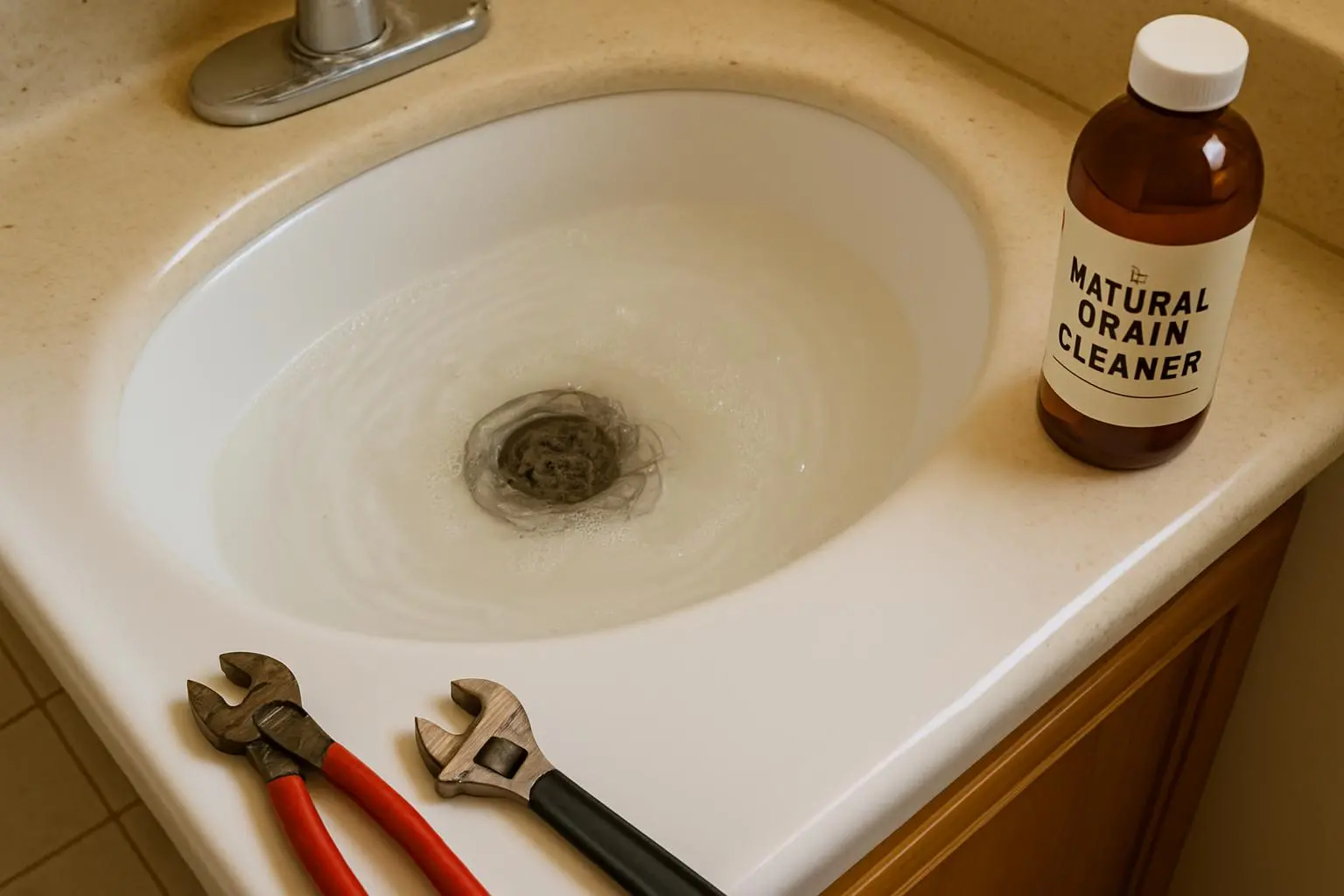
An isolated slow drain in the bathroom probably points to a localized clog. If your sinks, tub, or shower are draining slowly, it’s best to act before the problem worsens.
Slow Drain in the Kitchen
Kitchens carry their own risks, especially for homes in Orange County and surrounding areas known for heavy cooking. Think about:
- Grease and Food Particles: Fats and coffee grounds easily accumulate inside kitchen pipes.
- Garbage Disposal Issues: Faulty or jammed disposals can allow debris to clog lines.
- Soap and Detergent Residues: Dishwasher overflows may contribute to clogs below the sink.
If you have a single slow drain at the kitchen sink with other drains flowing fine, it’s likely a local issue, but one that can spell trouble if left unchecked.
Utility or Laundry Room Slow Drains
Older homes in places like Pasadena or Anaheim may notice laundry drains running slow. Common culprits include:
- Lint and fabric fibers building up in drain lines over time
- Soap scum and detergent residue adding to the problem
- Small items (coins, socks) accidentally flushed into the system
Pro Tip: Routine cleaning and using a lint trap on your washer hose can prevent most laundry room clogs.
Main Causes of Localized Plumbing Problems by Room
When it’s only one drain, the issue typically lies within the branch line serving that specific room or fixture. Major causes of plumbing problems by room in Southern California homes include:
- Buildup from Everyday Use: Years of residue, hair, grease, or food debris accumulating just out of sight.
- Pipe Age and Material: Some Orange and San Bernardino County homes still use older steel or clay pipes, which corrode and narrow faster.
- Ventilation Issues: Plumbing vents regulate airflow—if blocked, they can make drains slow even if there’s no clog!
- Improper DIY Repairs: Store-bought drain cleaners or makeshift tools can worsen clogs or damage pipes.
DIY or Call a Pro? Signs You Need a Plumber
For minor slow drains, try these home remedies first:
- Use a plunger or a zip-it tool to clear out visible hair or debris.
- Flush the drain with hot water and baking soda, followed by vinegar.
- Install drain screens to prevent future buildup.
If the slow drain persists, or you notice any of the following, contact a professional immediately:
- Multiple attempts at clearing the clog fail
- Odors, gurgling sounds, or water backing up into other fixtures
- Frequent clogs in the same location
These symptoms might indicate a bigger issue such as a deep or hidden obstruction, vent stack blockage, or even tree root intrusion—issues best left to certified pros in Southern California like A-1 Performance Rooter and Plumbing!
Expert Insights: Why Quick Action Matters in Southern California
With water conservation at a premium, slow drains do more than waste time. According to industry reports, even a minor leak or ongoing blockage can waste hundreds of gallons per year. Plus, our regional hard water can accelerate buildup, making local homes especially vulnerable. Ignoring a slow drain in one room can turn a small hassle into extensive pipe damage or flooding—costly repairs no one needs.
Preventing Localized Drain Clogs: Maintenance Tips
- Monthly Cleanings: Use homemade or enzyme-based drain cleaners instead of harsh chemicals.
- Regular Inspections: Schedule annual professional plumbing checks, especially in older LA, Long Beach, or Costa Mesa properties.
- Educate the Household: Brief family or employees about what shouldn’t go down the drain—no wipes, grease, or tough food bits.
Remember: Prevention is always more affordable than an emergency call!